Evading Errors

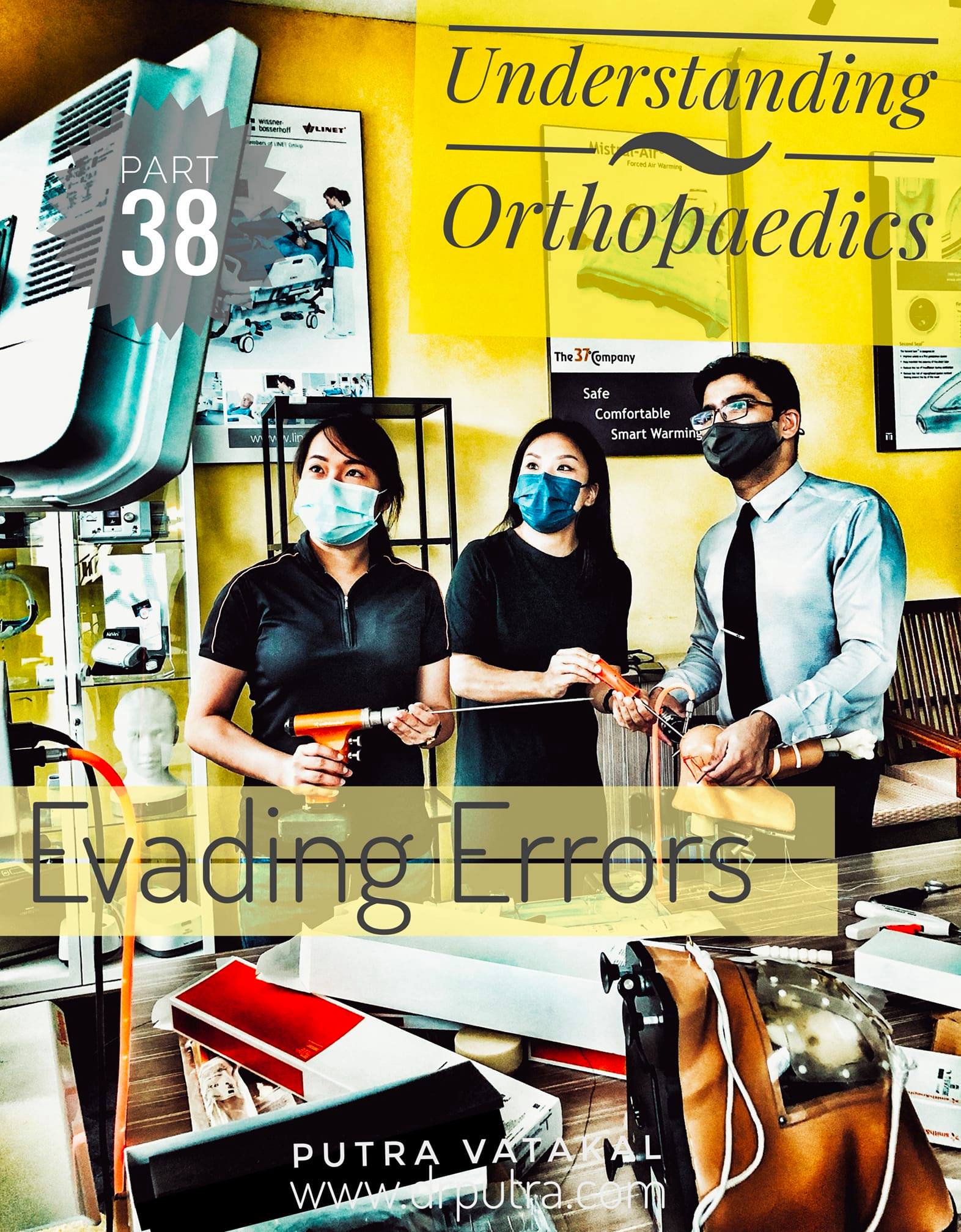
Burning rays rained on the Petaling Jaya roads without mercy. Squeezing the steering wheel, I swerved into the empty parking spot and jumped out, slamming the door.

Isabelle waved me toward the main glass doors, squinting in the glaring sunlight.

The patient was positioned, shoulder exposed and ready. Ready to receive the gleaming arthroscope.

Only… this wasn’t a living, breathing, patient.

This was a patient made of plastic and rubber. It had never been alive at all.

This was the Smith & Nephew skills lab, where Vis Chai, Winnie Wee, David Yee and a small battalion of Smith+Nephew experts waited to walk me through the nuances of their newest surgical instruments and outcome-enhancing implants.

And also where I luxuriously got to make mistakes that DIDN’T result in disastrous consequences.

It isn’t that surgeons never make mistakes. We just cannot afford to.

Not when our patients put their limbs, and sometimes even their lives in our trembling hands. Thank God the hands that guide ours are, well… God’s hands.

Yet mistakes can and still DO happen. And that’s exactly why I was here today: to catch up on the new technology, to practice new techniques, and to (hopefully) avoid making mistakes when it really matters.

Some say that a career in medicine means a life of never-ending learning. That much IS true…. but really LIFE itself is a journey of continuous discovery. We just need to look for the next new adventure.

Though, ideally not under the scorching PJ sun.


Note: Names and some details have been changed to protect patient privacy. Hey, being made of plastic doesn’t mean he doesn’t deserve a little privacy 😏

Growing… wiser?

Sitting in the breezy waiting area of an SOP compliant barbershop gives you time to contemplate the important things in life… like how you shouldn’t have destroyed your standard-5 classmate’s DragonBall Z comics by reading them in the bathroom, and how much less hair there is on your head nowadays. 😅

Oh, well, nothing lasts forever, does it? I suppose we just have to make the most of what we have… while we have it.

Not too long after we all switched our calendars to a new year, the calendar of my own life advanced also. Though I’ll need more fingers to reply each heartwarming message I received here, each one brightened up my face, and for that I will always be grateful.

Age is a funny thing.

In my line of work I have been surprised to see bodies completely worn out at age 25, and even more amazed to see springy 85 year old ones. It would be too generic to say age is only a number, so I would rather say that life is whatever you make of it.

Large green leaves shake in the wind before me. The door behind me opens with a chime and the barber calls my name. The time for daydreaming is over.

It’s time to move.


Originally written on 6 January 2020 at Ravi’s Barber Shop, Petaling Jaya, Selangor a few days after I turned… time for that ‘details have been changed to protect privacy’ statement. 😆

The Mark of the Flower

dr putra vatakal, orthopaedic surgeon, kuala lumpur, dr yvonne chuon, lifestyle medicine, quill orthopaedic specialist centre

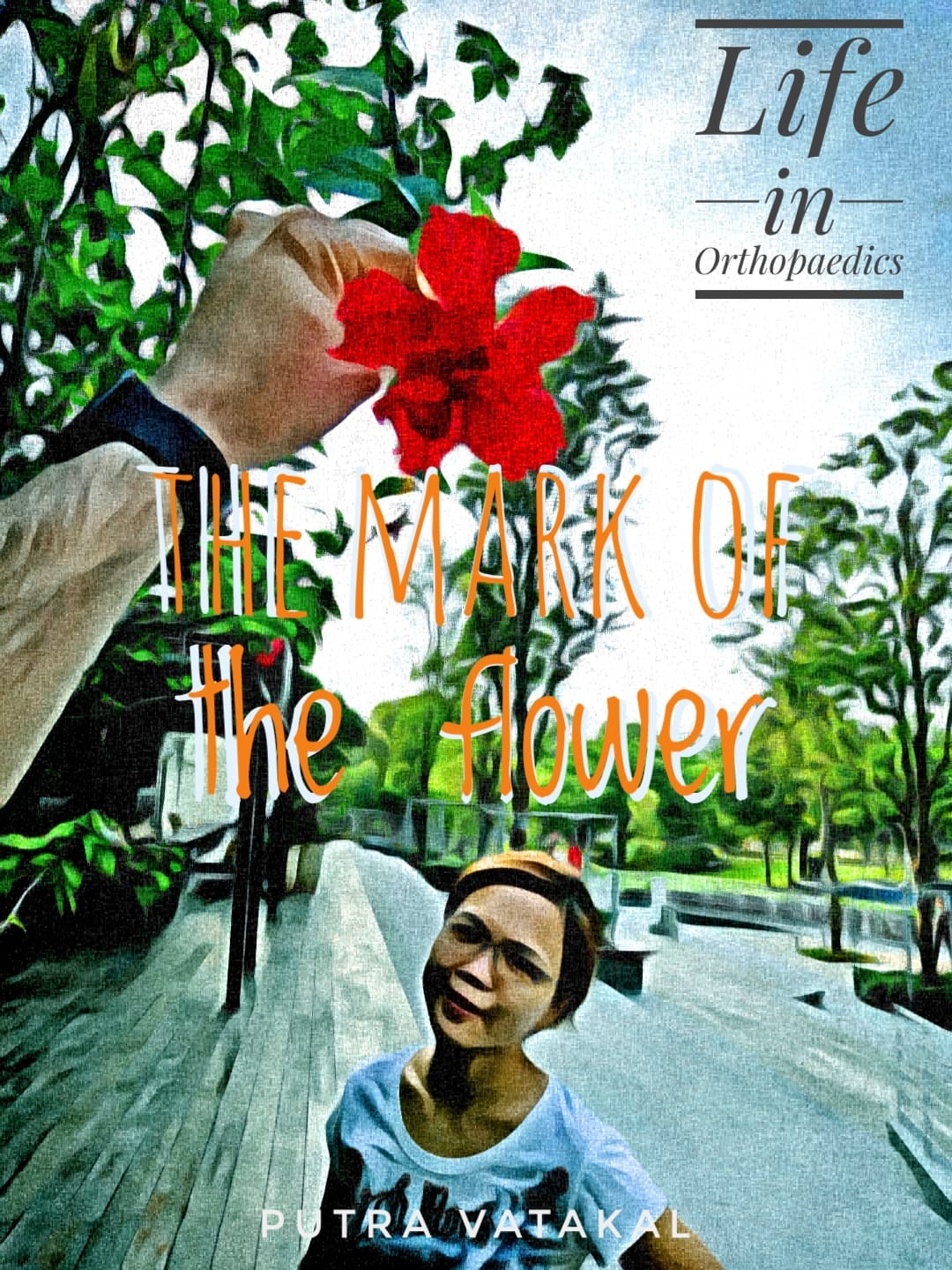
Late in July 1960, the Bunga Raya was picked to represent the courage of our little nation, growing in the eyes of the world.

If you wondered, ‘Bunga’ means flower, and ‘Raya’ carries hints of a joyous celebration.

We had some of these plants in the garden, and when I was little, the growing boy in me used to love the wisp of sugary nectar from a freshly picked Hibiscus flower.

I didn’t know it then, but Malaysia day would come to have a special significance in my life. Had Sarawak not entered the Malaysian Federation, I would probably never have met the charming young woman who would go on to become the love of my life, and my greatest friend.

Interestingly, our local version of the Hibiscus bears a technical name that is the Latin equivalent of ‘the rose from China ‘.

And while it probably doesn’t come from China, nor does anyone seem to know where it really first appeared, I do know one thing:

the ‘Raya’ in Bunga Raya really does give my heart a reason to celebrate this day.


Originally written on 16 September 2020 at home.

Note: 16 September marks the day in 1963 when the Malay Peninsula joined Sarawak and Sabah in North Borneo, uniting as a new country – Malaysia.

Forgotten Stories

dr putra vatakal, orthopaedic surgeon, kuala lumpur

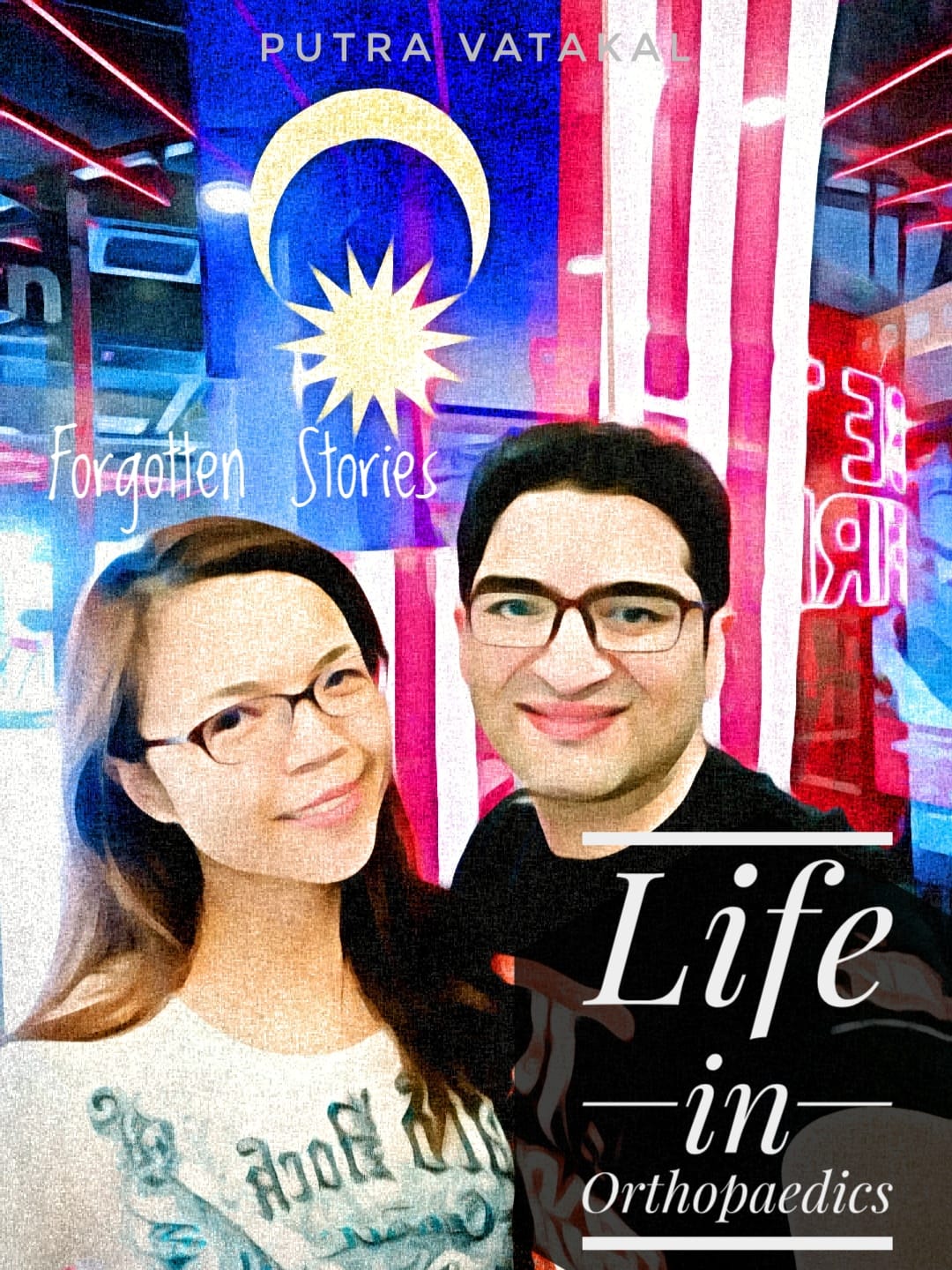
As the Indian ship pulled into port, dock workers scrambled to steady the gangway against the side.

A lean bespectacled man descended- tan overcoat flapping in the strong wind of the East African shoreline. My grandfather.

As he unpacked crates of bicycle-parts in his Uganda shop, I wonder if he would ever have thought about another man in this story. A man on the other side of the world, knotting the ropes holding a sail on a ship along the Chinese coast.

The two men never met. My grandfather, tired from a day of golf, passed away in his sleep in Wales in 1991. He was 80.

The Chinese sailor lived into his 90s, and I watched him play chess with a friend just months before he died in 2019. His daughter raised the girl who has grown into my loving wife.

An unusual story, perhaps, but far stranger tales have unfolded in Eden’s garden.

The memories of past heroes become stories that our children’s children tell their own. 63 years ago, a new chapter in the story of our country began. Why don’t we make what gets written on today’s page something worth reading again..

.. and again.


Originally written on 31 August 2020 at home.

Note: 31 August is Independence Day in Malaysia.

To Nurse With Love

dr putra vatakal, orthopaedic surgeon, kuala lumpur

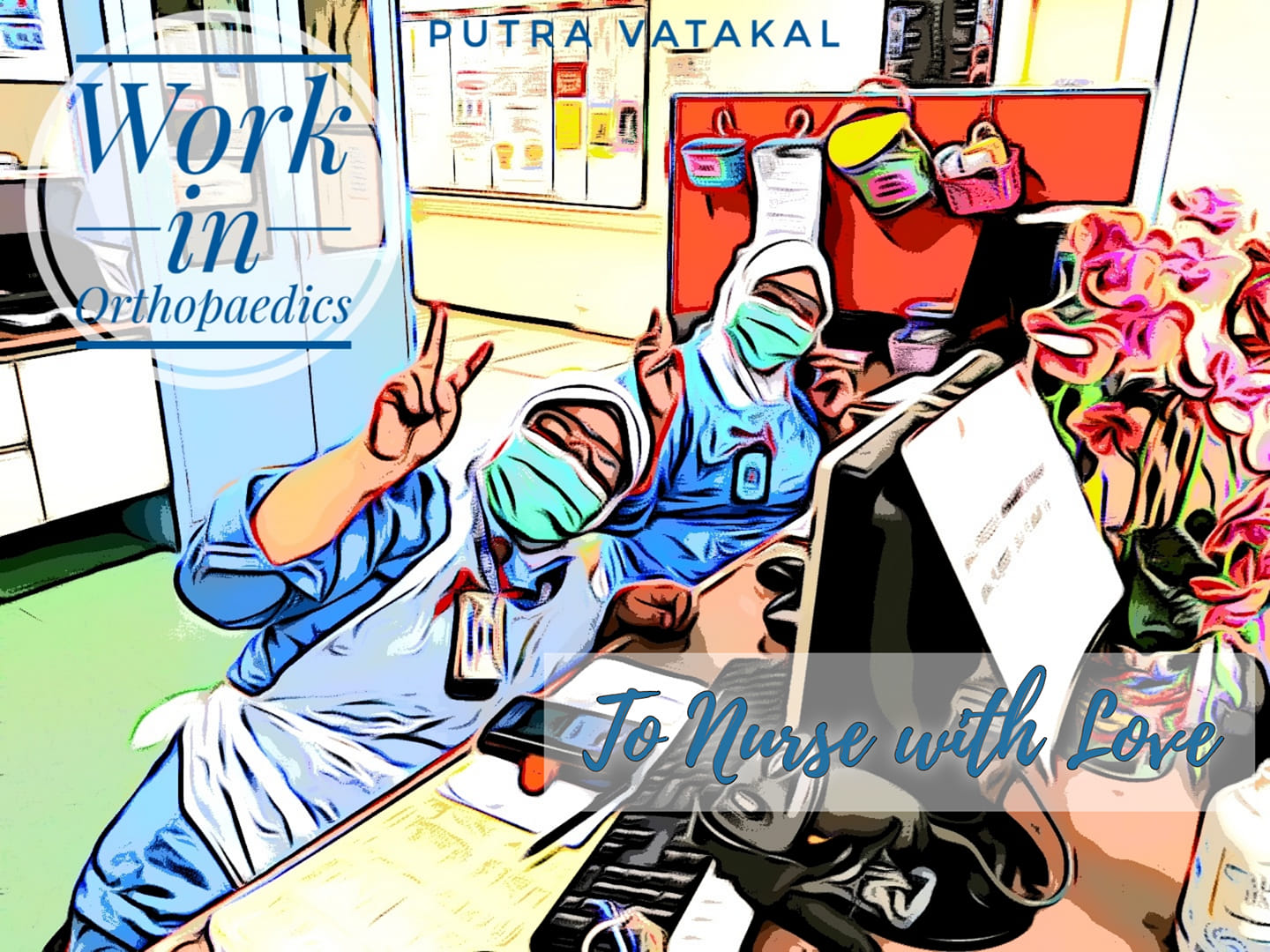
Stepping smartly into a ward where I promptly reported for duty to a patient’s relative who mistook for my consultant – lab coat tails tucked between my legs, I crawled back to the nurses’ counter for help.

It was my first day as a house officer. And I little then knew that this pattern – skipping back to the nurses for help – was to go on till… well, honestly, earlier this afternoon.

We have fought epic battles – together, and at times, against each other, stood side by side in humiliating defeat and jubilant victory.

Today I realise that aside from from my patients, I have learned the most in my career from my nurses.

Someone wise once wrote that a gem cannot be polished without friction, nor a man perfected without trials. I am neither gem, nor perfect man, but I can think of no better team to stand together with in the trials of my career and my life.


Originally written on 12 May 2020 in Sungai Buloh Hospital, Selangor

No Barber, No Matter

A surgeon voluntarily drops the ‘dr’ from his or her name to remember the days when our operating theatres were nothing more than a hut people visited to have a boil popped and their hair chopped.

Though they confuse patients, the Mr and Ms Surgeon labels are worn with pride – the idea of a scowling surgeon dashing through the hospital, slamming doors on his way to place his finger on a spurting bleeder to save the day inspiring TV watchers the world over.

But when you sit under a sheet with your long-ish locks between the blades of your wife’s scissors – the cutter become the cut – you realise that when you don’t humble yourself, life has a way of thrusting humility on you.

And so you blink at the beautiful woman cutting your hair, and know that all is well with the world.


Originally written on 3 May 2020 at home.

Looking Death in the Eye

dr putra vatakal, orthopaedic surgeon, kuala lumpur, reflections

Orthopaedic Surgery is sometimes considered one of the ‘colder’ branches of medicine. Now, this doesn’t mean that Ortho surgeons aren’t inherently hot or anything like that (they fortunately are 😏 ).

What it means is that… especially in the eyes of a young house officer… that there’s a lower chance of having your ward patients drop dead while you are having your midnight cup of Milo in the pantry.

So it’s rather unusual that the very first death I witnessed as a house officer, years ago was in my first rotation: orthopaedics.


I remember it clearly. There were two of us in charge of the male orthopaedic ward that week, and one Friday afternoon found me at the foot of the bed of Mr Salleh, a man in his 60s with a distinguished aura about him.

He’d been admitted for gouty arthritis – plain gout, for which we had given him some colchicine, and his toe pain had quickly disappeared. I told him that he could be discharged today, but after a little negotiation, we agreed that he would go home the next morning.

He cracked some long forgotten joke, and I smiled as I turned off to the next bed, leaving Mr Salleh scratching at the gouty swellings on his feet.

The next morning I clocked in just in time and hurried up the stairs to my ward, where the medical officer on call had already started his ward rounds with the whole gang.

Saturday mornings on the orthopaedic wards were some of the most pleasurable days as an intern. After rounds we would all head down to the hospital cafeteria and stuff ourselves silly, then those of us on-call would stroll back to the ward to do some toe amputations, wound cleaning and tick items off the ward to-do-list as we did them.

I stood, clipboard in hand, jotting down the little tasks the medical officer gave us as we advanced through each cubicle. Then we came to Mr Salleh’s bed.

“Mr Salleh, how are you? Ready to go back?”, asked Dr Ching Keng Heong, one of my finest intern colleagues.

Mr Salleh’s wife was sitting on the bedside chair reading a colourful magazine. No one had smartphones back then.

“Dia awal pagi dah takleh tunggu nak balik, doktor,” (He’s been impatient to go home since morning) said the wife, chuckling.

Everyone laughed. Everyone except Mr Salleh.

He lay unusually quiet on the bed. Mrs Salleh put her hand on his shoulder and shook him gently.

“Abang..” she called sweetly. He stayed silent.

“Mr Salleh, wake up.” I reached over and rubbed his chest. His skin felt cold. Dr Ching grasped his wrist.

“Can’t feel his pulse,” he said. We all stood shocked for a moment. Dr Prashant Narhari, the medical officer recovered first.

“Start CPR!” said Dr Prashant.

We sprang into action. I had never actually initiated CPR before, so I rushed to fetch the resuscitation trolley as Dr Tanabalasingam and Dr Randy Koh crawled onto Mr Salleh’s bed, felt for his sternum, and started giving him chest compressions.

Dr Tan Chew Ean and I exposed both Mr Salleh’s thighs to look for large veins to cannulate, and tried in vain to open a route to infuse fluids. The ward nurses strapped him into a cardiac monitor, but there was no sign of life on the screen. Mr Salleh was gone.

His arms and legs were stiff. Rigor mortis is when the muscles gradually harden in the hours after death, so he had likely expired unobserved some hours before.

We took desperate sweaty turns performing chest compressions , while Dr Chin Kai Ning led a wailing Mrs Salleh out beyond the curtains.

Later I sat at the nursing counter, watching as the morgue staff placed Mr Salleh, wrapped in a white sheet, onto a covered steel gurney and wheeled him from the place of death. It turned out he had had a heart attack while it was still dark outside.

It was not my first encounter with death, and Mr Salleh had died long before our feeble attempts to save him, but such was my initiation into the world of the dying as a doctor.

In the months to come my skills developed, both at resuscitating the dying, and at gently informing families that their loved one would return home a hollow shell.


Some families would take it in stride, as the will of God. Others would openly grieve as painful realisation flooded their hearts. Realisation that this was the end.

Sometimes I wished the power of resurrection was mine. That I could make the pain go away. That I could bring smiles back into the dark and colourless world that had come crashing into our ward.

Well, the power to bring the dead back to life, no… but I was given a different power. One just as worthy – the power to sit with the family, and grieve with them.


Originally written on 7 March 2021 at home.

Note: Some names and details have been changed to protect patient privacy.

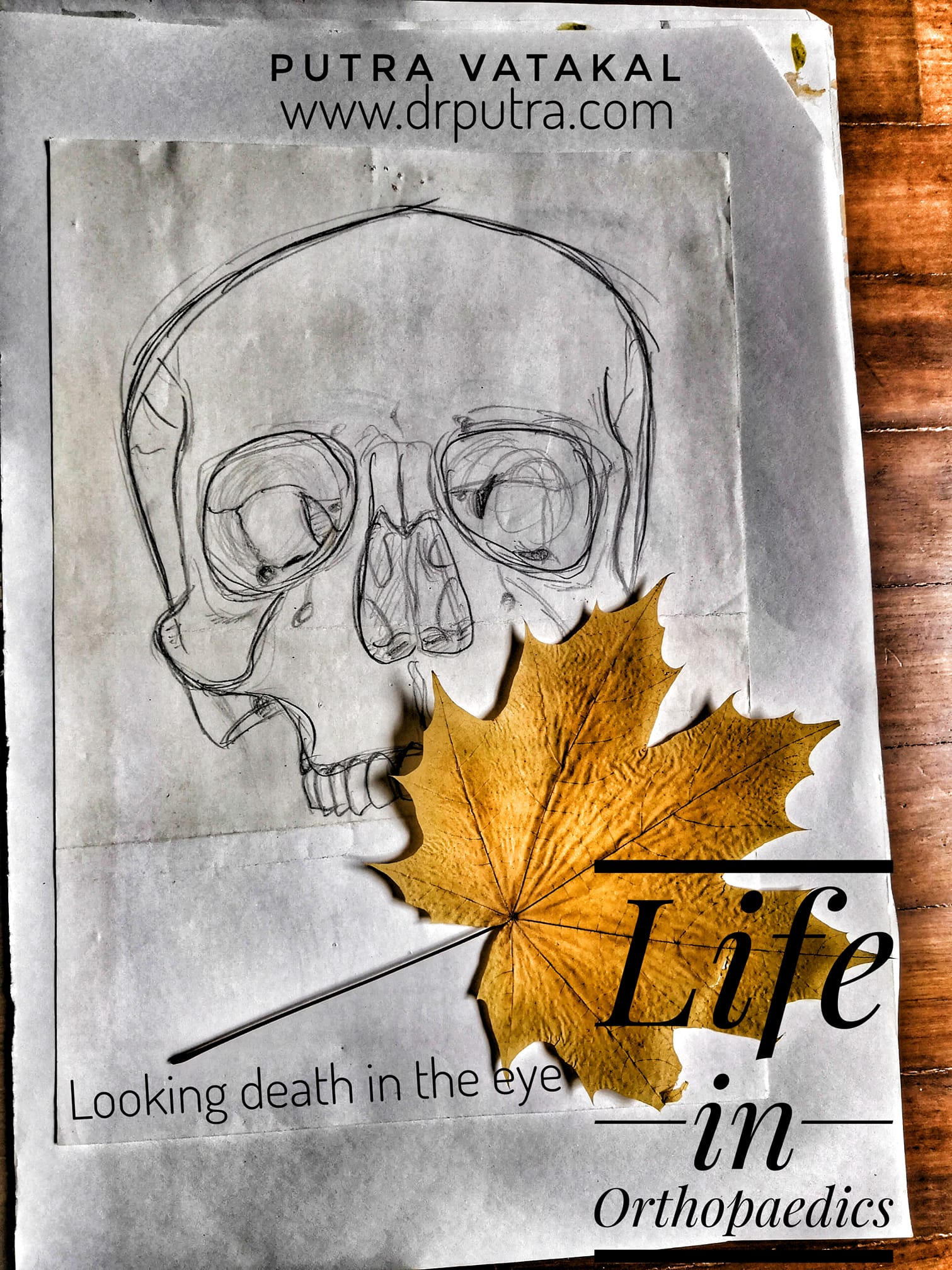
Image notes: Thumbing through old papers from my medical school years, this drawing of a skull I did (trying to impress Chuon Yvonne with my non-existant art skills) caught my eye, and I thought it rather appropriate for a topic just like this one.

We sometimes shy away from the topic of death, but for now at least, where there is life, death will follow – to some, the door to eternal life, to others an unknown mystery. Either way, it’s something significant.

The Eye of the Needle

dr putra vatakal, orthopaedic surgeon, Kuala lumpur, quill orthopaedic specialist centre

Little over a year ago, I was having a late work weekend when I got a call about an injured sailor on a ship newly docked in Port Klang.

While I mulled over how to treat his hurt shoulder, it struck me that his Ship had started her voyage in the waters of Wuhan, China.

That little detail changed everything.

This was before Sungai Buloh Hospital transformed into a COVID hospital, before the first Malaysians fell to the new lethal virus…

Before there were any vaccines.

🦠 🦠 🦠 🦠 🦠 🦠 🦠

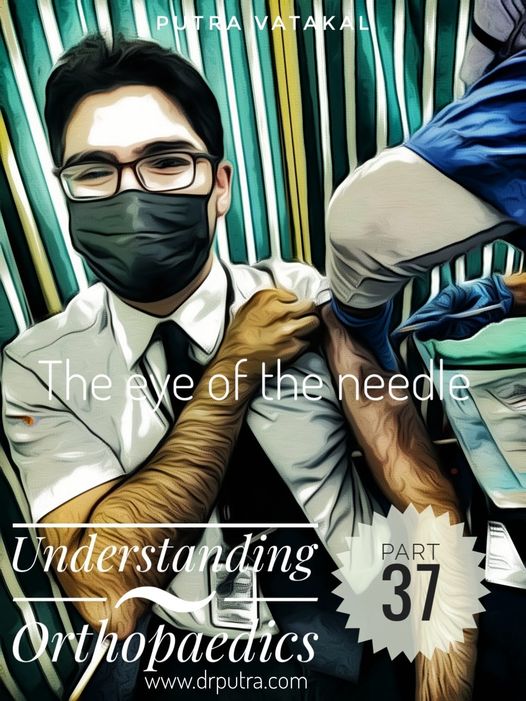
Today I sat smiling as a masked nurse syringed out modified coronavirus proteins then leaned over and slid a fine needle into my arm. The eye of the COVID storm distilled into clear drops in the eye of the needle stuck into me.Over the past few days, I’ve had a lot of questions: which vaccine? Side effects? Other questions that I’ve forgotten.But an orthopaedic surgeon’s mind is a simple place. COVID bad. Vaccine good. So here I am today.It’s been over a year. The sun is bright outside. My body is adapting to the viral proteins in my arm as I type this.It seems all is well.

🌤️

Originally written on 2 March 2021 in Hospital Sungai Buloh, Selangor

Image credits: SN Syahmimi, Vaccination Clinic

Note: Some details have been changed to protect patient privacy

The Smashed Elbow

dr putra vatakal, orthopaedic surgeon, kuala lumpur, selangor, elbow fracture

The brown car sped up the road sending clouds of dust waving through the quiet plant nurseries of Sungai Buloh Drive. Up the ramps the wheels turned, then I screeched to a stop in the UiTM Private Specialist Centre car park, flung the door open and jogged down the sunny road, briefcase swinging in my hand… to the Operating Theatre on level 4.

Some 10 days before, in a different series of road related events many miles away, my patient… let’s call him Mr Gan… found himself with his arm squashed between his motorised bicycle and the shiny rear-end of a mini-van.

I saw him several days later, in the orthopaedic clinic in Sungai Buloh , arm slung across his barrel chest, elbow purple and about to burst with swelling.

A quick x-ray, and a CT-scan later found us staring at a computer monitor, spinning on the screen- not unlike a rather deformed ballerina- was a reconstructed model of Mr Gan’s elbow.

Dislocated… shattered…disjointed…I searched for a word to describe the damage to the anxious patient.. In the end we settled for ‘badly broken’.

And that’s how we all ended up, some weeks later, in the operating room, crowded around an unconscious Mr Gan. Mr Nizam the operating room assistant strapped a clean pneumatic tourniquet around Gan’s arm.

OR nurses Nazliyana and Azua cracked open sterile boxes, their frowns deepening as a scruffy masked stranger pushed through the OR doors and set his briefcase on the floor in the corner.

Me.

Greetings, introductions and a short time later, I ran my scalpel along the side of Gan’s elbow, slicing through muscle and tissue to expose the shattered bone fragements within.

“Can I have the saw?”

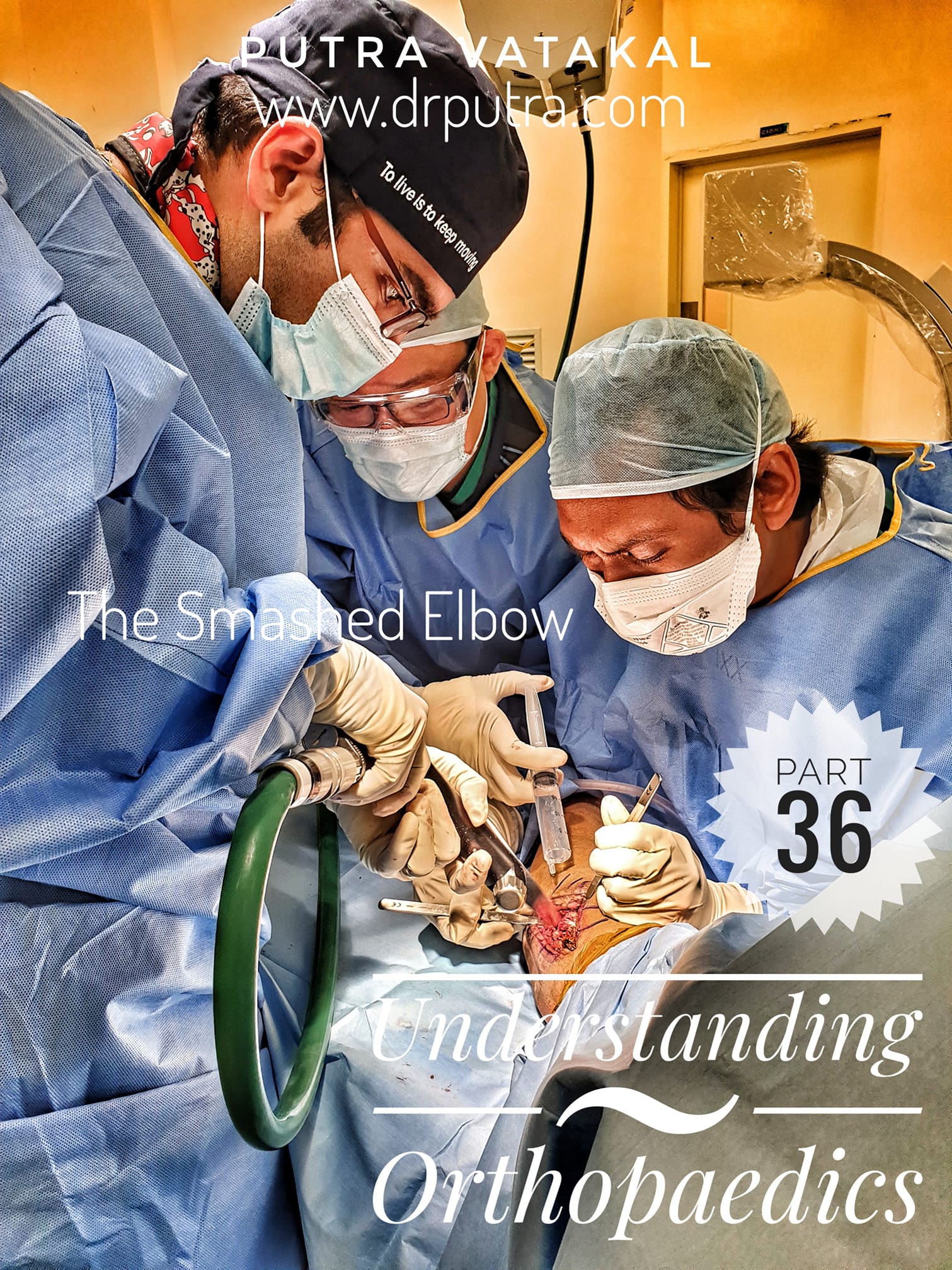
The green snaking tube with the oscillating power saw exchanged hands, and we cut out some damaged bone.

Dr Reza Aridz reached deep into the wound to position the smashed Coronoid- the bony process that keeps the elbow joint stable as it moves – and Dr Wan Kwong Lee fired up the drill, driving a thin wire to hold the fragment in place.

Some time later, ligaments sutured back into place, I nervously held my breath as we ran Gan’s elbow through the full range of movement.

Thank God it was stable again.

Later, in the operating room pantry (masks on, of course), there was laughter and the smell of coffee, and thoughts in my mind of the difference teamwork can make in solving the complex problems of the world.

We all drove home happy that day. Mr Gan is recovering.

Now all that remains is for COVID to disappear, as quickly as it came.


Originally written on 8 February 2021 in UiTM Private Specialist Centre, Selangor

Note: Names and some details have been changed to protect patient privacy.

Photo credits: Jo-Yi Cheong

As our operating rooms in Sungai Buloh Hospital remain closed to all but COVID infected patients, UiTM Specialist Centre has stepped up to offer their surgical services to some of our despairing patients, and equally despairing surgeons. The author would like to thank Dr Reza Aridz, orthopaedic surgeon and UiTM Orthopaedic Surgery lecturer and his colleagues and staff for opening their hearts, and their operating rooms to the patients of Sungai Buloh Hospital.

Trigger Finger… Isn’t Forever

dr putra vatakal, orthopaedic surgeon, trigger finger

CHAPTER 1

(To skip the story and just learn about Trigger Finger, go straight to Chapter 2)

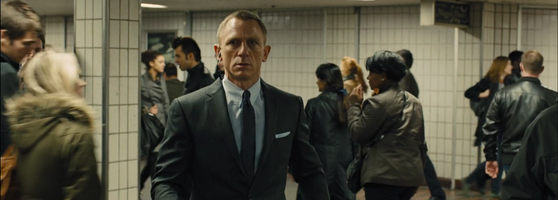
Warm air hisses through the painted vents as the LRT train slides out of the station. The crowd mobs the turnstiles toward the exit…among them a bald man mopping sweat off his neck, glancing back across the crowd as he hurried up the narrow stairs.

On a steel bench across the tracks, Mr. Bond sits, eyes closed, arms crossed across his chest, gently rocking to the clank-clank of the train on its tracks.

Eyes barely open, but silently watching the moving crowd.

The bald man’s handkerchief slides across his neck, drawing Bond’s eye to a dark tattoo at the base of his neck.

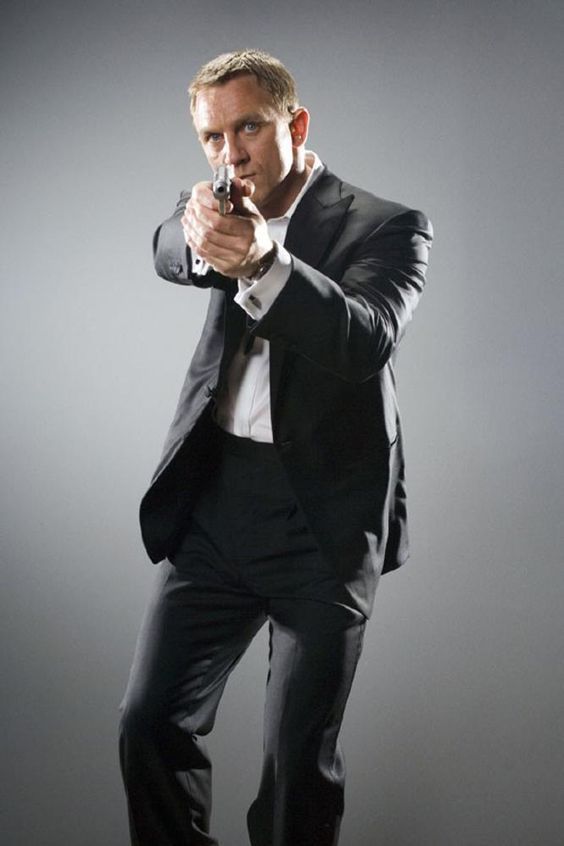
Ding! The bell rings announcing the arrival of the next train. Bond springs from the bench and onto the tracks. Pistol in hand, he leaps across the barriers, and tears through the roaring crowd.

james bond, dr putra vatakal, trigger finger

An old lady screams as the stone-faced stranger rushes by her. Several others, catching sight of the gun, push into their neighbours, slowly sending the crowd to the floor.

But not the bald man. He keeps hurrying up the stairs.

dr putra vatakal, orthopaedic surgeon, kuala lumpur, james bond

Eyes fixed on the fleeing bald head, Bond raises his pistol and squeezes the trigger.

Bang! Shouts ring out across the station. The bald SPECTRE agent turns on the landing to see Bond bent over, clutching his right hand in his left, face twisted in pain. He sees the gun fallen on the floor, and runs out of the station, escaping into the anonymous KL Sentral crowds.

A man in long sleeves and a blue tie walks over and grasps Bond’s shoulder.

“Mr. Bond?” he asks.

Bond nods painfully. “He got away… my hand…”, says Bond.

“The name is Putra. Putra Vatakal. I’m an orthopaedic surgeon. You seem to be having Trigger Finger. Let me look at your hand. ” he says.


CHAPTER 2

Alright, perhaps most attacks of ‘Trigger Finger’ aren’t quite THAT dramatic. And most people with Trigger Finger have never seen a real gun.

But the pain and disability they suffer are definitely real.

Question: What exactly is TRIGGER FINGER?

Unknown to Mr James Bond, the medical term for it is Stenosing Tenosynovitis– which is a complicated way to say the tissue around your finger tendon is swollen till the movement of the tendon is blocked.

Curl your fingers into a fist now, if you can. The source of the problem is usually right where your fingertips meet your palm.

Right there, under the skin and tissue layers lies a ‘tunnel’ called the A1 Pulley. We can bend our fingers because the tendon responsible to bend that finger passes smoothly through this ‘tunnel’ (the A1 Pulley)… rather like a train running on tracks through a tunnel.

If something happens that blocks the train (the tendon) from going through the tunnel, our finger movements become painfully jammed… which is what we call Trigger Finger.

Question: How will I know if I have Trigger Finger?

Oh, you’ll usually know.

Trigger Finger happens gradually, starting with mild pain when you bend and straighten the joints of your finger (we call this Grade 1). Statistically, it’s usually the ring or middle finger, but any finger can be involved, including the thumb.

As time creeps along, and the tunnel gets tighter. Bending your finger is usually okay, but you start to feel a ‘click’ when you straighten it. Some people find this painful, but for others, it’s bearable (we call this Grade 2).

Grade 3 is when the ‘tunnel’ is so narrow that straightening your finger becomes a problem, and you will probably need to use your other hand to ‘help’ your ‘stuck’ finger to get straight again. At this stage, many people need surgery to get back to normal.

If the problem is left untreated, then we get to Grade 4 – where the finger is stuck in one position and can’t move at all.

Thankfully, most people get treatment well before it gets this bad.

Question: Do all Trigger Fingers need an operation?

No.

Earlier on in the problem, some anti-inflammatory medicines, stretching exercises etc will usually reverse Trigger Finger. So, in most cases, we start with exercises and see how your finger responds.

If exercise alone doesn’t do the trick, sometimes injections (of steroids mixed with a local anesthetic) can help ease the pain and improve finger movements.

Of course, surgery is an option, and as Trigger Finger progresses, it can become the treatment of choice. The operation for trigger finger is usually done with you awake (which sounds scarier than it really is). After giving you some local anesthetic to numb a part of your hand, a small cut is made along one of the creases on your palm.

What I look for is the thickened roof of the tunnel (where the tendon ‘train’ runs, remember?). It usually takes a small snip of the thickened tissue (the A1 Pulley), and the shiny white tendon is ready to glide beautifully again.

Most people can go back home immediately after surgery, though sometimes you might need to come back to get a stitch or two removed about 2 weeks later.

One thing I tell my patients is that even after an operation, it’s SUPER important to keep doing finger movement exercises to ensure their finger doesn’t start triggering again!


CHAPTER 3

Two weeks later, a pain free Mr. Bond is having Roti Canai and some Chee Cheong Fun at a stall in Petaling Jaya (in our fictional COVID-less world) when he spots a familiar face at the Nasi Lemak stall. It’s the bald guy from SPECTRE!

Licking dhall curry off his lips, he pulls out his pistol and aims at the bald man’s chest.

“Just a minute, Mr Bond.” says the man across the table.

dr putra vatakal, orthopaedic surgeon, kuala lumpur, james bond

“Is violence the answer to all the world’s problems?” Dr Putra sips his Teh-O kosong and waves’s Bond’s gun back to the table.

“Well, I guess not,” says Bond.

“I’ll call him over for some Teh Tarik”.

And this is where the credits roll. 


Originally written on 3 Feb 2021 in Quill Orthopaedic Specialist Centre, TTDI, Kuala Lumpur

Note: Names and some details have been changed to protect national secrets, and patient privacy.